Dive Into an Icy Ocean Adventure!
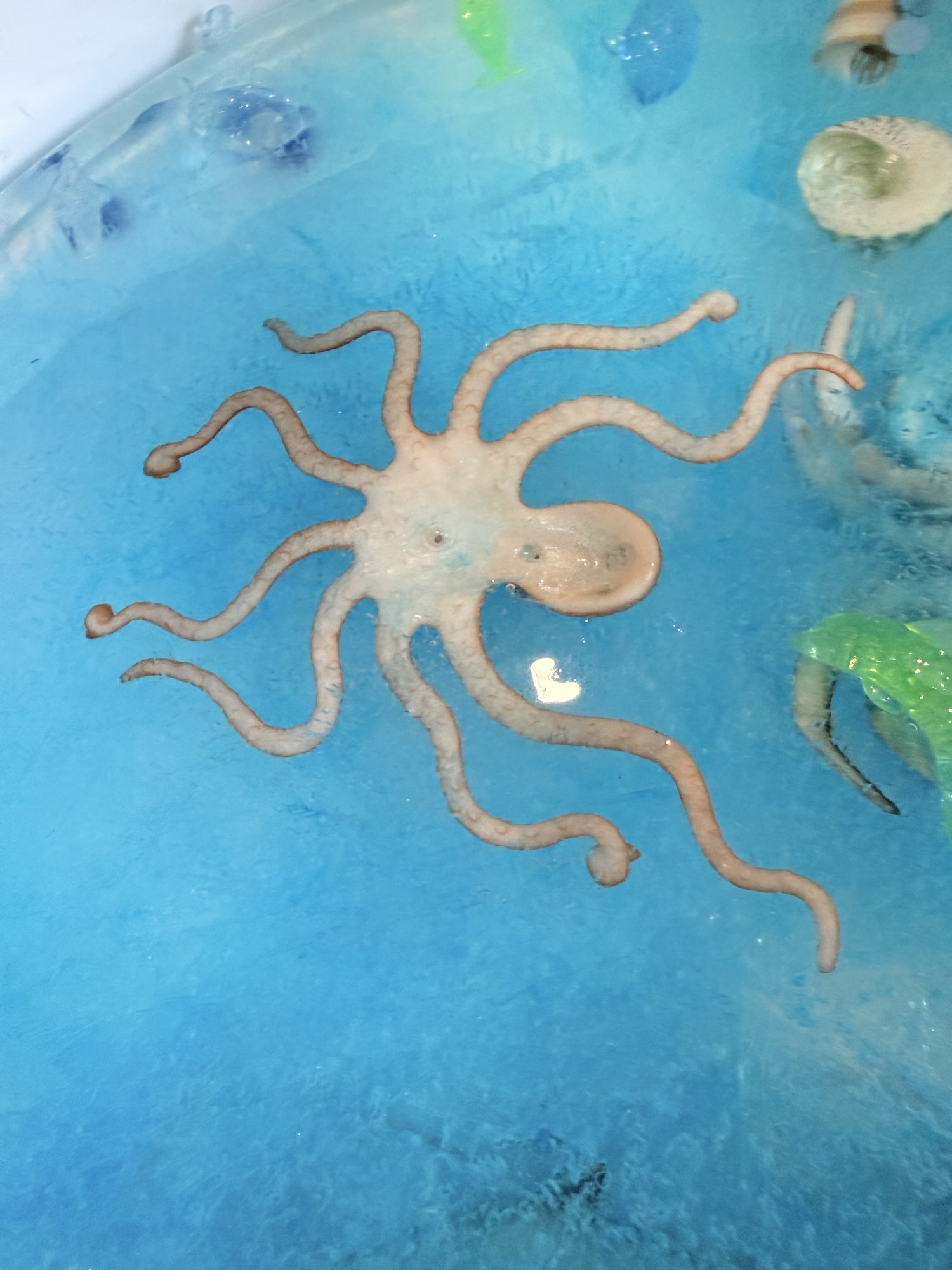
Looking for an engaging ocean-themed sensory activity that combines science, sensory exploration, and fine motor development? This Frozen Ocean Rescue Activity invites infants, toddlers, and preschoolers to discover sea creatures hidden beneath the ice while exploring temperature, texture, and cause and effect through play.
As children chip, pour, spray, and melt the ice, they become little ocean explorers, building important developmental skills in a fun and hands-on way.

Materials You’ll Need
Basic Materials
- Large shallow tray or container
- Water
- Blue food colouring (optional)
- Plastic sea animals
- Seashells
- Decorative gems or aquarium stones (optional)
- Small plastic fish
- Freezer
For Infants (12–18 months)
- Warm water (adult pours)
- Soft cloth
- Adult supervision
For Toddlers (18 months–3 years)
- Large spoons
- Plastic scoops
- Small cups
- Watering can
- Turkey baster
- Warm water
For Preschoolers (3–5 years)
- Droppers or pipettes
- Spray bottles
- Measuring cups
- Plastic tweezers
- Child-safe tongs
- Wooden mallet or child-safe toy hammer
- Plastic chisel or ice excavation tools
- Paintbrushes
- Small bowls or trays for collecting rescued animals
- Magnifying glass (optional)
- Safety goggles (optional for dramatic play)

Step 1: Create Your Ocean
Arrange the sea animals, shells, decorative gems, and other ocean treasures inside a shallow tray. Slowly pour water over the items until they are completely covered.

Step 2: Add Ocean Colour
Add a few drops of blue food colouring to create a beautiful ocean effect. Gently swirl the colour through the water without disturbing the sea creatures.
Step 3: Freeze Overnight
Place the tray in the freezer until completely frozen. Once frozen, you’ll have a beautiful ocean landscape with hidden treasures waiting to be discovered.

Time to Rescue the Ocean Animals!
Invite children to become Ocean Rescue Scientists!
Infants
Infants enjoy touching the cold ice, watching it melt, and observing the colourful sea animals underneath. Adults can slowly pour warm water over the ice while talking about what is happening.
Toddlers
Toddlers can scoop and pour warm water, scrape the ice with spoons, and discover the hidden animals one at a time. These simple actions strengthen fine motor skills while encouraging curiosity and exploration.
Preschoolers
Preschoolers can investigate the ice using droppers, spray bottles, measuring cups, paintbrushes, tweezers, tongs, and child-safe excavation tools. Encourage children to predict which tool will melt the ice the fastest and compare their discoveries.

Learning Through Play
This activity encourages children to:
- Explore temperature changes
- Observe ice melting into water
- Develop problem-solving skills
- Strengthen hand muscles
- Improve hand-eye coordination
- Build concentration
- Discover cause and effect
- Practice early science concepts
- Develop language through conversation
- Engage in imaginative play

Extend the Learning
Once the sea animals are rescued, invite children to:
- Sort animals by size or colour
- Count the shells
- Create an ocean habitat
- Name each sea creature
- Compare animals with fins, claws, or tentacles
- Talk about which animals live in cold or warm oceans
- Read an ocean-themed story together
- Draw their favourite sea animal
These extensions keep children engaged while supporting language, math, and science learning.
Questions to Encourage Thinking
Ask open-ended questions such as:
- Which animal did you rescue first?
- What happens when warm water touches the ice?
- Which tool worked best?
- Why do you think the ice melts?
- Which sea animal is the biggest?
- Can you count all the shells?
- How does the ice feel?
- What colours do you see?
Safety Tips
- Always supervise children during water play.
- Use only child-safe tools.
- Avoid small loose parts with children who still mouth objects.
- Clean up spilled water to prevent slipping.
- Adapt the activity to each child’s developmental stage.
Why We Love This Activity
Frozen Ocean Rescue is a simple, low-prep sensory invitation that combines science, fine motor practice, and imaginative play in one exciting experience. Whether you’re an educator, parent, or caregiver, this activity encourages children to investigate, explore, and learn through hands-on discovery.
Frequently Asked Questions
How long does it take to freeze?
Most trays freeze in 8–12 hours, depending on their depth.
Can I make it without food colouring?
Yes! Clear ice works just as well and still creates an engaging sensory experience.
What age is this activity best for?
It can be adapted for infants, toddlers, and preschoolers by changing the materials and level of support.
Can I reuse the animals and shells?
Absolutely! Simply wash and dry them before using them again.
Final Thoughts
Ocean-themed sensory play is a wonderful way to spark curiosity and encourage children to learn through exploration. This Frozen Ocean Rescue Activity is easy to prepare, reusable, and full of opportunities for discovery.
Have you tried this activity? I’d love to hear how your little learners explored the frozen ocean!
Leave a Reply